
Tag Archive for: deadline

ACA Volume growth

Air Cargo Volumes Surge in June, Setting Stage for a ‘Hot Q4’ in Rates
ACA Volume growth

Strong Demand Growth Paired with Limited Supply Points to Significant Rate Increases, Putting Pressure on Shippers and Forwarders to Strategize for Peak Season


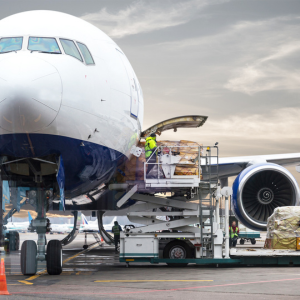
The global air cargo market is gearing up for a potentially intense fourth quarter, with expectations of significant rate hikes. This projection follows a sixth consecutive month of double-digit growth in June, underscoring a robust recovery. According to the latest analysis by Xeneta, shippers and forwarders who are not adequately prepared for this year’s peak season may find themselves ‘at the mercy of the market.’

June saw a 13% year-on-year increase in demand, measured in chargeable weight, continuing the positive momentum experienced throughout the first half of 2024. In contrast, cargo supply grew at its slowest rate this year, with only a 3% year-on-year increase.

This imbalance between supply and demand has led to a tighter market. Xeneta’s dynamic load factor, which measures capacity utilization based on the volume and weight of cargo flown against available capacity, rose by 4 percentage points year-on-year.

As the market heads towards Q4, the constrained supply and increasing demand suggest that air cargo rates could climb sharply. This scenario emphasizes the importance for shippers and forwarders to strategize effectively to avoid potential disruptions and cost escalations during the peak season.

If you have any queries, call us at +353 1 533 7772 or email us at [email protected]. Additionally, please visit our website, our facebook and Linkedin pages.

ACA UK UE

Navigating New UK/EU Customs Regulations: Highlights from Multimodal 2024

Multimodal 2024 set a new attendance record from June 11th to 13th, 2024, at Birmingham’s NEC, with visitors flocking to the event.


Key sessions focused on demystifying the evolving UK-EU customs regulations, a critical topic since Brexit. The introduction of the EU Carbon Border Adjustment Mechanism (CBAM) adds further complexity, requiring UK businesses to report greenhouse gas emissions for high-carbon imports.

Michael Boulanger and Anne Samson from RM Boulanger highlighted how UK exporters can turn CBAM challenges into opportunities. Discussions also covered the UK government’s ambitious target to grow rail freight by 75% by 2050. Maggie Simpson OBE, Director General for Rail Freight Group, led a panel that addressed the capacity and capabilities needed to meet this goal.

Over 140 speakers from renowned organizations like Unipart, Boohoo, Kingfisher PLC, and Amazon shared insights on sustainability, technology, and customs requirements. Event Director Robert Jervis praised the comprehensive speaker line-up for leaving no stone unturned in addressing industry challenges and opportunities.

Her Royal Highness The Princess Royal, Patron of Transaid, will visit the event on June 13th, emphasizing the importance of the logistics sector in international development. Multimodal 2024 has proven to be a pivotal event for industry professionals to connect and network.

If you have any queries, call us at +353 1 533 7772 or email us at [email protected]. Additionally, please visit our website, our facebook and Linkedin pages.

Demand ACA

Booming Middle Eastern Market: A Golden Opportunity for Brands

Demand ACA

Understanding the Growing Demand and Strategic Entry Points


The Middle Eastern consumer market is booming, presenting a golden opportunity for UK brands to expand their reach. According to Aramex UK, the region is experiencing a significant surge in consumer demand, driven by a young, tech-savvy population with increasing disposable income. This growth is fueled by the region’s rapid digital transformation, robust e-commerce infrastructure, and favorable government policies.

UK brands, known for their quality and innovation, are well-positioned to capitalize on this market expansion. The Middle Eastern consumers’ growing appetite for premium products, especially in sectors like fashion, beauty, and technology, aligns perfectly with what UK companies offer.

Aramex UK emphasizes the importance of understanding local preferences and leveraging strategic partnerships to navigate the market successfully. With the right approach, UK brands can tap into this vibrant market, fostering international growth and strengthening their global presence. The Middle Eastern consumer boom is not just a trend but a long-term opportunity for UK businesses to flourish.

If you have any queries, call us at +353 1 533 7772 or email us at [email protected]. Additionally, please visit our website, our facebook and Linkedin pages.

ACA Cargo

Enhancing Air Cargo Operations: Embracing Heavier Load Monitoring

ACA Air Cargo

Discover how the aviation industry adapts to new regulations for increased cargo weight without compromising efficiency.


The aviation sector is set to maintain its operational pace despite the introduction of new regulations mandating closer monitoring of heavier air cargo loads. Industry experts confirm that these changes, which aim to enhance safety and compliance, are not expected to hinder air cargo efficiency or operational timelines.

With the integration of advanced technology and optimized processes, airlines are well-prepared to handle the increased scrutiny without any significant disruptions. This proactive approach not only ensures adherence to the latest safety standards but also reinforces the sector’s commitment to reliable and secure cargo handling.

As we move forward, the continued evolution of regulatory frameworks and the adoption of innovative solutions are key to supporting the industry’s growth and maintaining its robust global supply chain capabilities.

If you have any queries, call us at +353 1 533 7772 or email us at [email protected]. Additionally, please visit our website, our facebook and Linkedin pages.

Aca Cybersecurity

Fortifying Cybersecurity in the Logistics Sector: A Strategic Imperative for Modern Warehouses

ACA cybersecurity

Addressing Emerging Cyber Risks with Advanced Protective Measures


In an era where cyber threats frequently headline international news, the logistics and e-commerce industries face heightened pressures to secure their operations and preserve brand reputation. The integration of sophisticated operational technology (OT) into warehouse management systems has revolutionized efficiency but has also inadvertently expanded the potential for cyber vulnerabilities. This evolution necessitates a re-evaluation of cybersecurity strategies to protect against the sophisticated threats of today’s digital landscape.

Recognizing the critical nature of these challenges, industry pioneers like Prime Vision are leading the charge in redefining cybersecurity norms for the logistics sector. They advocate for a holistic, yet agnostic, approach to cybersecurity that prioritizes continuous, all-encompassing protection. This methodology extends beyond traditional software safeguards, offering robust defences for hardware components integral to logistics operations. By deploying such comprehensive cybersecurity measures, logistics and e-commerce businesses can better shield themselves against a variety of cyber risks, from data breaches to operational disruptions.

This proactive stance on cybersecurity not only secures vital operational technologies but also reinforces a company’s reputation as a trusted partner in the supply chain. In the fast-paced, interconnected world of modern warehouse logistics, adopting an advanced, continuous approach to cybersecurity is not just a strategic advantage—it’s a fundamental requirement for operational resilience and long-term success.

If you have any queries, call us at +353 1 533 7772 or email us at [email protected]. Additionally, please visit our website, our facebook and Linkedin pages.
ACA PR professionals

Unleashing the Power of Artificial Intelligence

ACA International PR professionals

In the fast-paced world of Public Relations (PR), staying ahead of the curve is crucial. As technology continues to evolve, PR professionals are turning to Artificial Intelligence (AI) to supercharge their campaigns.

This blog article explores the myriad advantages of incorporating AI into PR strategies and sheds light on the anticipated $135 billion AI contribution to the economy by 2030.

AI Applications Deliver Numerous Advantages to PR

AI applications are transforming the PR landscape, offering unprecedented advantages. From automating routine tasks to providing data-driven insights, AI empowers PR professionals to streamline their efforts. Automated sentiment analysis and trend prediction enable teams to make informed decisions, ensuring campaigns resonate with target audiences. By leveraging AI tools, PR campaigns become more efficient and impactful.

AI Writing Tools Complement, Not Replace, Human Writers

Contrary to fears of job displacement, AI writing tools complement human writers rather than replace them. PR professionals can use AI tools to generate compelling content, freeing up time for strategic thinking and relationship building. AI augments creativity by offering data-backed suggestions, ensuring that human writers can focus on the nuances that make content truly authentic and engaging.

PR Professionals Harness AI’s Potential

Forward-thinking PR professionals are actively harnessing AI’s potential to gain a competitive edge. From personalized media outreach to predictive analytics, AI enables PR teams to adapt to dynamic market conditions. Embracing AI empowers professionals to deliver more targeted, effective campaigns, ultimately strengthening client relationships and maximizing the impact of PR efforts.

he integration of AI into PR campaigns is not just a trend; it’s a strategic imperative. As AI continues to evolve, PR professionals who embrace its capabilities will find themselves at the forefront of innovation, driving success in an increasingly competitive landscape.

If you have any queries, call us at +353 1 533 7772 or email us at [email protected]. Additionally, please visit our website, our facebook and Linkedin pages.

Aca International crisis management

Crisis Preparedness for Forwarders & Their Customers

Aca Internation blog Crisis management

From natural disasters like hurricanes and floods to geopolitical tensions, labor disputes, and health crises such as the COVID-19 pandemic, the need for comprehensive crisis preparedness has never been more critical.

In today’s ever-evolving global supply chain landscape, forwarders and their shipper customers face an array of challenges. From natural disasters like hurricanes and floods to geopolitical tensions, labor disputes, and health crises such as the COVID-19 pandemic, the need for comprehensive crisis preparedness has never been more critical.

Crisis Readiness: A Necessity, Not an Option

As supply chains grow increasingly complex and interdependent, the potential for disruptions looms larger than ever before. For logistics providers and their clients, the ability to weather the storm and navigate these turbulent waters is a make-or-break proposition.

Preparing for the Unpredictable

When a hurricane strikes, logistics providers find themselves grappling with myriad challenges. Disruptions to transportation networks, damage to infrastructure and equipment, and supply chain delays can wreak havoc. However, with strategic planning and proactive measures, forwarders can minimize the impact of such disruptive events.

Proactive Measures for Swift Recovery

To ensure business continuity and a swift recovery in the face of a crisis, forwarders and shippers must adopt a proactive approach. This includes:

  1. Risk Assessment: Identifying potential vulnerabilities in the supply chain and assessing the impact of various crisis scenarios.
  2. Contingency Planning: Developing robust contingency plans tailored to specific risks, including provisions for alternative routes, suppliers, and transportation modes.
  3. Communication: Establishing clear lines of communication with key stakeholders to facilitate real-time updates and decision-making during crises.
  4. Technology Integration: Leveraging advanced technologies, such as real-time tracking and data analytics, to enhance visibility and responsiveness.
  5. Supply Chain Diversification: Reducing dependency on a single source or location by diversifying suppliers and distribution channels.


In the face of an increasingly complex and uncertain global supply chain operating environment, crisis preparedness is not an option; it’s a necessity. Forwarders and their customers must collaborate to develop and implement comprehensive crisis management strategies. By doing so, they can mitigate the impact of disruptive events, ensure minimal downtime, and emerge from crises stronger and more resilient than ever before. In a world where uncertainty is the only certainty, preparedness is the key to success.

If you have any queries call us at +353 1 533 7772 or email us at [email protected]. And visit our website, our facebook and Linkedin pages.

 

Aca International Customs Clearance

Encouraging Recovery with Minimal Year-Over-Year Contraction

Aca International Customs Clearance

Amidst the challenges posed by the ongoing pandemic, the aviation industry has been grappling with fluctuations in demand and supply. However, the June 2023 data brings a breath of fresh air, as the contraction in demand has significantly reduced.


In a significant development for the aviation industry, the International Air Transport Association (IATA) has unveiled its latest data for the global air cargo markets in June 2023. The report indicates a noteworthy milestone, showcasing the smallest year-over-year contraction in demand since February 2022. This promising trend hints at a gradual revival of the air cargo sector and provides a glimmer of hope for the industry’s future.

While the recovery journey remains ongoing, the IATA’s data offers several optimistic takeaways. The diminished year-over-year contraction underlines the gradual stabilization of global air cargo markets, signifying increased consumer confidence and economic rebound. As travel restrictions ease and international trade gains momentum, the air cargo industry seems poised for a steady resurgence.

The sustained efforts of airlines, cargo operators, and stakeholders in innovating and implementing new strategies have contributed to this positive trajectory. The data reaffirms the pivotal role of air cargo in maintaining supply chains and facilitating the movement of essential goods across borders.

In conclusion, the June 2023 global air cargo market data released by the IATA reflects a heartening step forward. With the smallest year-over-year contraction in demand since February 2022, the industry is on a path to recovery. As nations gradually reopen and economic activities regain traction, the air cargo sector’s resilience shines through, offering a beacon of hope for a revitalized aviation landscape.

If you have any queries call us at +353 1 533 7772 or email us at [email protected]. And visit our website, our facebook and Linkedin pages.

Rise of costs aca international

5 reasons why freight and logistics costs are so high in Ireland these days

Rise of costs aca international

In recent times, freight and logistics firms in Ireland have been grappling with a significant challenge—the steep rise in costs.


The ongoing crisis has put immense pressure on the industry, impacting various aspects of operations. In this article, we will explore the reasons behind the escalating costs faced by freight and logistics companies in Ireland and the potential implications they may have on the industry.

1- Increased Fuel Expenses One of the primary contributors to the mounting costs for freight and logistics firms is the surge in fuel prices. The escalating costs of diesel and gasoline have significantly impacted transportation expenses, making it more expensive for companies to move goods within and across Ireland. As fuel prices continue to climb, it becomes crucial for businesses to seek innovative strategies to optimize fuel efficiency and explore alternative energy sources.

2- Supply Chain Disruptions The recent crisis has unleashed widespread supply chain disruptions, exacerbating the challenges faced by freight and logistics firms. Disruptions in global trade, shortage of raw materials, and delays at ports have caused a domino effect throughout the industry. These interruptions have led to increased lead times, additional storage costs, and higher freight rates, directly impacting the overall operational expenses of logistics companies.

3- Capacity Constraints and Increased Demand Another critical factor affecting costs in the freight and logistics sector is the combination of capacity constraints and surging demand. The pandemic-induced labor shortages and operational limitations have limited the available capacity, resulting in increased prices for transportation services. The surge in e-commerce activities and changing consumer behavior have further amplified demand for freight and logistics services, putting additional strain on the industry.

4- Regulatory Compliance and Customs Complexity With Ireland’s departure from the European Union, freight and logistics companies have encountered new regulatory requirements and customs complexities. The introduction of customs checks and increased documentation has added administrative burdens and time-consuming processes. These additional compliance costs have further contributed to the overall rise in expenses for logistics firms operating in Ireland.

5- Rising Labor and Insurance Costs The recent crisis has led to a scarcity of skilled labor in the industry, thereby driving up labor costs. Freight and logistics companies are facing the challenge of attracting and retaining qualified personnel, necessitating higher wages and training expenses. Additionally, insurance costs have surged due to various factors, including increased risks associated with transportation, cargo handling, and liability coverage, leading to additional financial burdens for logistics firms.

If you have any queries call us at +353 1 533 7772 or email us at [email protected]. And visit our website, our facebook and Linkedin pages.

Aca International EU Customs taxes

EU Takes a Giant Leap towards Digitalizing Its Tax System

Aca International EU Customs taxes

The European Union has taken a major step forward in the digitalization of its tax system with the announcement that all excise duty transactions in the EU have become fully electronic as of 13 February. This move is part of the EU’s ongoing efforts to modernize and streamline its tax systems, and it is expected to have significant benefits for businesses and consumers alike.

Excise duty is a tax that is imposed on certain goods, such as alcohol, tobacco, and energy products. In the past, businesses had to file paper-based excise duty returns and pay their taxes using traditional payment methods. This process was often time-consuming and cumbersome, and it created a significant administrative burden for both businesses and tax authorities.

With the transition to fully electronic excise duty transactions, businesses can now file their returns and make their payments online using the EU’s Excise Movement and Control System (EMCS). This system allows businesses to track their excise goods in real-time and to receive instant notifications when their goods have been released or detained.

The move to electronic excise duty transactions is expected to have significant benefits for businesses. It will reduce the administrative burden associated with filing paper-based returns and making traditional payments, and it will help businesses to streamline their operations and reduce their costs. Additionally, the real-time tracking provided by the EMCS will help businesses to better manage their supply chains and to improve their overall logistics processes.

Consumers are also expected to benefit from the move to electronic excise duty transactions. With the EMCS, consumers will have greater visibility into the supply chains of the products they purchase, which will help them to make more informed buying decisions. Additionally, the EMCS will help to reduce the likelihood of fraud and counterfeiting, which will improve the overall safety and quality of the products that consumers purchase.

In conclusion, the move to fully electronic excise duty transactions is a major milestone for the EU’s tax system. It is expected to have significant benefits for businesses and consumers alike, and it represents an important step forward in the digitalization of the EU’s economy. As the EU continues to modernize and streamline its tax systems, we can expect to see further benefits for businesses and consumers in the years to come.

If you have any queries call us at +353 1 533 7772 or email us at [email protected]. And visit our website, our facebook and Linkedin pages.